


Robot Polishing System
Industrial Mirror Polishing Buffing Machine
8K Mirror Polishing Machine for Stainless Steel | Eco-Friendly Acid-Free System
Aluminium Plate Coil Mirror Polishing Machine
6K Mirror Buffing Polishing Machine for Metal Surfaces
High-precision metal mirror polishing machine
Pneumatic-pressure 8K Mirror Polishing Machine
Belt-type 8K Mirror Stainless Steel Polishing Machine
High Gloss Mirror Buffing &Polishing Machine
No.8 8K Finishing Mirror Buffing Polishing Machine
Super 8K Mirror Polishing Machine
Industrial Metal Buffing Machine
Titanium Surface Mirror Buffing Machine
Coil To Coil No.4 Finished Grinding Line
Sheet To Sheet NO.4 Finished Grinding Line
Metal Coil Grinding Machine
Metal Sheet Brushing Machine
Copper Polishing Grinding Machine
Titanium Surface Polishing Brushing Machine
Aluminum Plate Polishing Brushing Machine
Stainless No.4 Grinding Machine
Belt Brushing & Grinding Machine
Stainless HL Grinding Machine
Roller HL Grinding Machine
Belt HL Brushing Machine
Dry HL Finishing Machine
Wet HL Finishing Machine
Dry No.4 &HL Grinding Machine Line
Wet No.4 &HL Brushing Machine Line
Scotch-Brite finished Machine For Metal Surface
Scotch-Brite Finished Machine
Stainless Steel Scotch Brite Polishing Machine
Wet Scotch Brite Machine Line
Fully Automatic Scotch Brite(SB) Machine Line
SB Oscillator Machine
SB Grinding Machine
Scotch Brite with Oscillator
Dry Scotch Brite Machine
Four roller Scotch Brite Grinding Machine
Thick Board Stainless Steel Vibration Grinding Machine
Vibration Grinding
Stainless Steel Vibration Grinding Machine
AFP machine
Anti-Fingerprint Roller Coater machine
Anti-Fingerprint Pre-coated machine
Anti-Fingerprint Film Coating machine
Anti-Fingerprint Nano-Coating machine
Precision Sheet Cutting Line for Decorative Metal Processing
Leveling and Precision Cutting Line for Metal Sheet Processing
Automatic Coil Uncoiling
Industry news
By:Lebon
Jun 22,2026
In metal processing, surface brushing and polishing are critical steps to improve both the appearance and durability of the metal. Typically, this process requires unwinding metal coils and processing them into flat sheets, which then undergo surface brushing and polishing treatments. While it is also possible to directly treat the metal coils, this often leads to higher quantities of backlog.
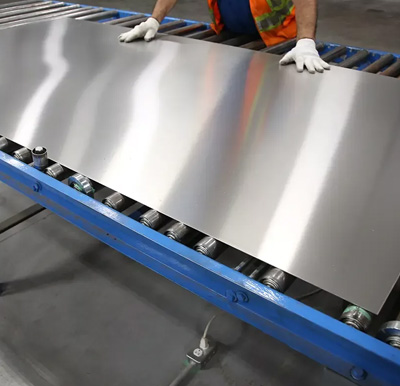
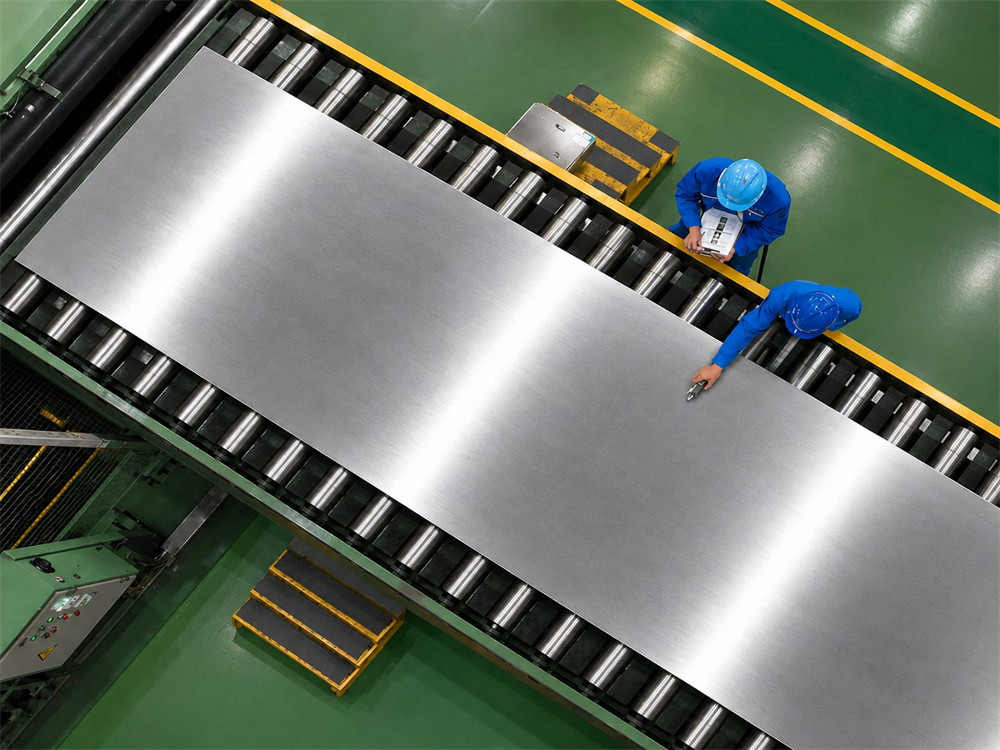
Metal coils, especially commonly used materials like aluminum and stainless steel, are typically delivered in coil form. These coils must first undergo the unwinding process, where they are flattened into sheet form, preparing them for further surface treatments. This step eliminates the wrinkles, creases, and other surface imperfections caused by the coiling process, ensuring the consistency of the surface treatment results.
Once the metal coil is converted into sheets, brushing and polishing are crucial steps in enhancing both the appearance and functionality of the surface. Through brushing, the metal surface obtains a uniform texture, not only improving its aesthetic appeal but also enhancing its wear resistance and fingerprint resistance. Following this, the polishing process ensures the surface is smooth, achieving a mirror-like finish that increases the metal's gloss and corrosion resistance.
Alternatively, metal coils can be directly subjected to surface brushing and polishing treatments without the unwinding step. While this method saves time by bypassing the sheet conversion, it presents significant challenges. Treating the coils directly often leads to increased backlog quantities, as processing coils requires more time and adjustments to ensure uniform surface results. Additionally, due to the natural fluctuations in coil surfaces, the final treated surface may exhibit inconsistencies, which could affect the quality of the final product.
In practical production, whether to treat the coils directly or unwind them first depends on factors such as production volume, delivery timelines, and quality requirements. For high-end decorative materials or those with specific functional requirements, unwinding the coil and then performing surface brushing and polishing is usually the better choice. Although this process might add some upfront time costs, it ensures higher surface quality and improves production efficiency, reducing the likelihood of rework.
The connection between the before and after of the metal surface brushing and polishing process is crucial, affecting both the quality and efficiency of metal processing. Converting coils to sheets is not only about eliminating surface flaws but also about providing the best possible processing results. For higher-quality metal surfaces, unwinding the coil before performing surface brushing and polishing is undoubtedly the optimal choice.
Please, feel free to contact us if you need any further information.
Copyright © Lebon Metal Equipment Co., Ltd. All Rights Reserved.
Design by BONTOP.
 En
En