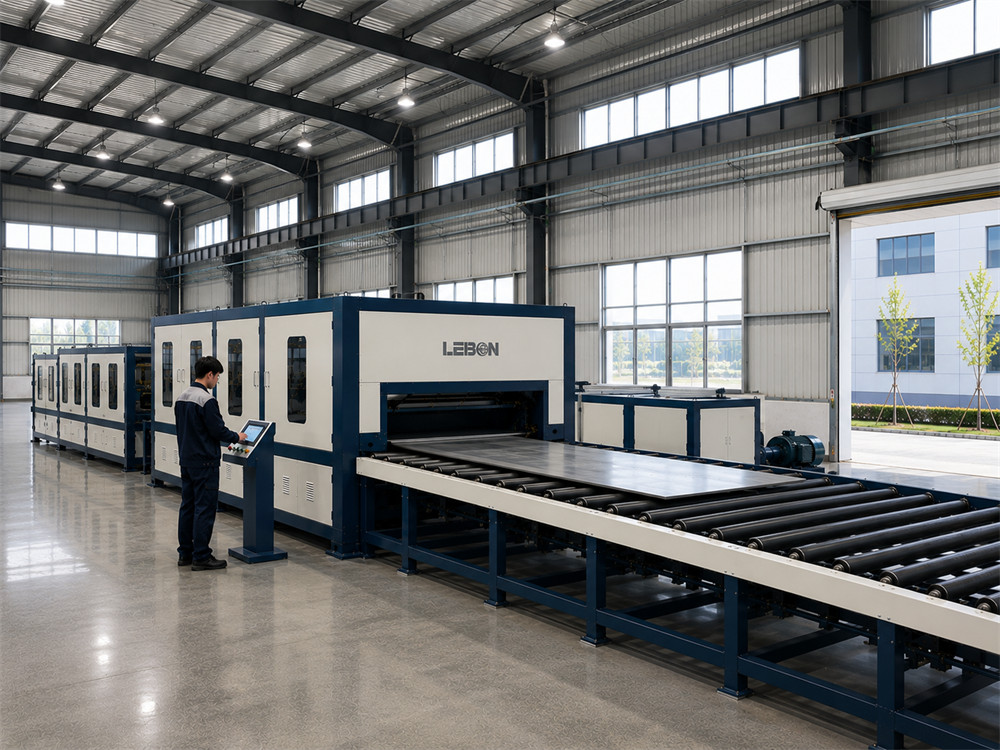



Robot Polishing System
Industrial Mirror Polishing Buffing Machine
8K Mirror Polishing Machine for Stainless Steel | Eco-Friendly Acid-Free System
Aluminium Plate Coil Mirror Polishing Machine
6K Mirror Buffing Polishing Machine for Metal Surfaces
High-precision metal mirror polishing machine
Pneumatic-pressure 8K Mirror Polishing Machine
Belt-type 8K Mirror Stainless Steel Polishing Machine
High Gloss Mirror Buffing &Polishing Machine
No.8 8K Finishing Mirror Buffing Polishing Machine
Super 8K Mirror Polishing Machine
Industrial Metal Buffing Machine
Titanium Surface Mirror Buffing Machine
Coil To Coil No.4 Finished Grinding Line
Sheet To Sheet NO.4 Finished Grinding Line
Metal Coil Grinding Machine
Metal Sheet Brushing Machine
Copper Polishing Grinding Machine
Titanium Surface Polishing Brushing Machine
Aluminum Plate Polishing Brushing Machine
Stainless No.4 Grinding Machine
Belt Brushing & Grinding Machine
Stainless HL Grinding Machine
Roller HL Grinding Machine
Belt HL Brushing Machine
Dry HL Finishing Machine
Wet HL Finishing Machine
Dry No.4 &HL Grinding Machine Line
Wet No.4 &HL Brushing Machine Line
Scotch-Brite finished Machine For Metal Surface
Scotch-Brite Finished Machine
Stainless Steel Scotch Brite Polishing Machine
Wet Scotch Brite Machine Line
Fully Automatic Scotch Brite(SB) Machine Line
SB Oscillator Machine
SB Grinding Machine
Scotch Brite with Oscillator
Dry Scotch Brite Machine
Four roller Scotch Brite Grinding Machine
Thick Board Stainless Steel Vibration Grinding Machine
Vibration Grinding
Stainless Steel Vibration Grinding Machine
AFP machine
Anti-Fingerprint Roller Coater machine
Anti-Fingerprint Pre-coated machine
Anti-Fingerprint Film Coating machine
Anti-Fingerprint Nano-Coating machine
Precision Sheet Cutting Line for Decorative Metal Processing
Leveling and Precision Cutting Line for Metal Sheet Processing
Automatic Coil Uncoiling
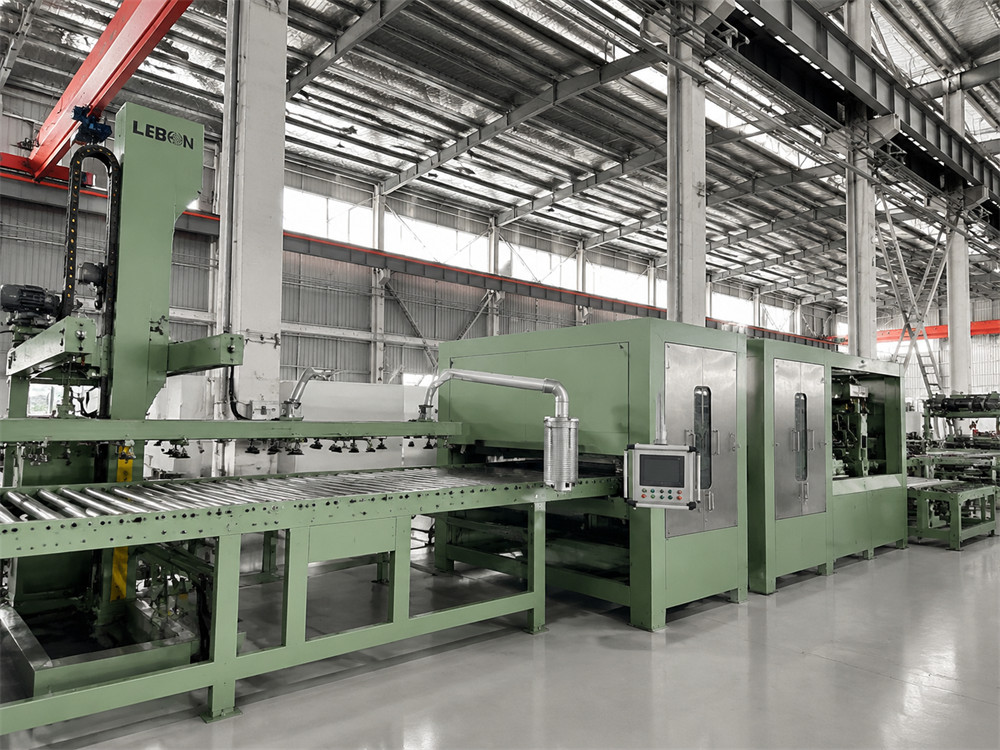
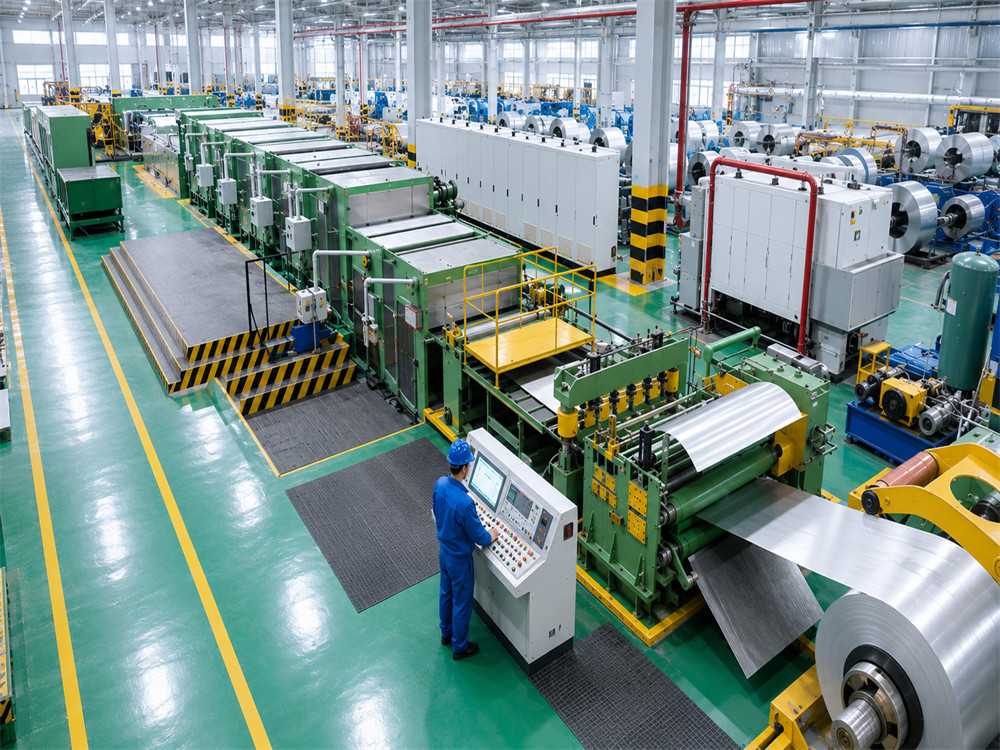
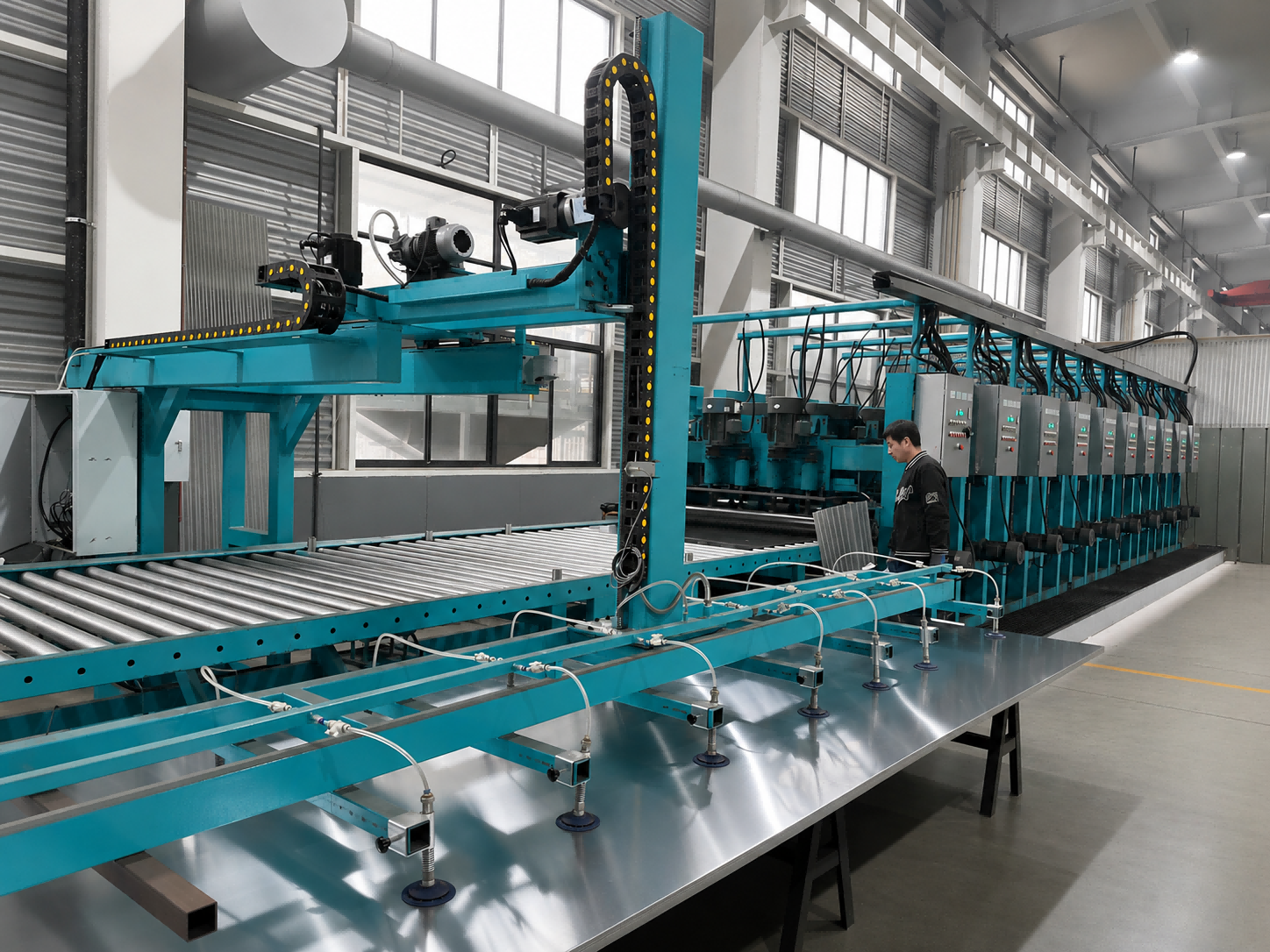
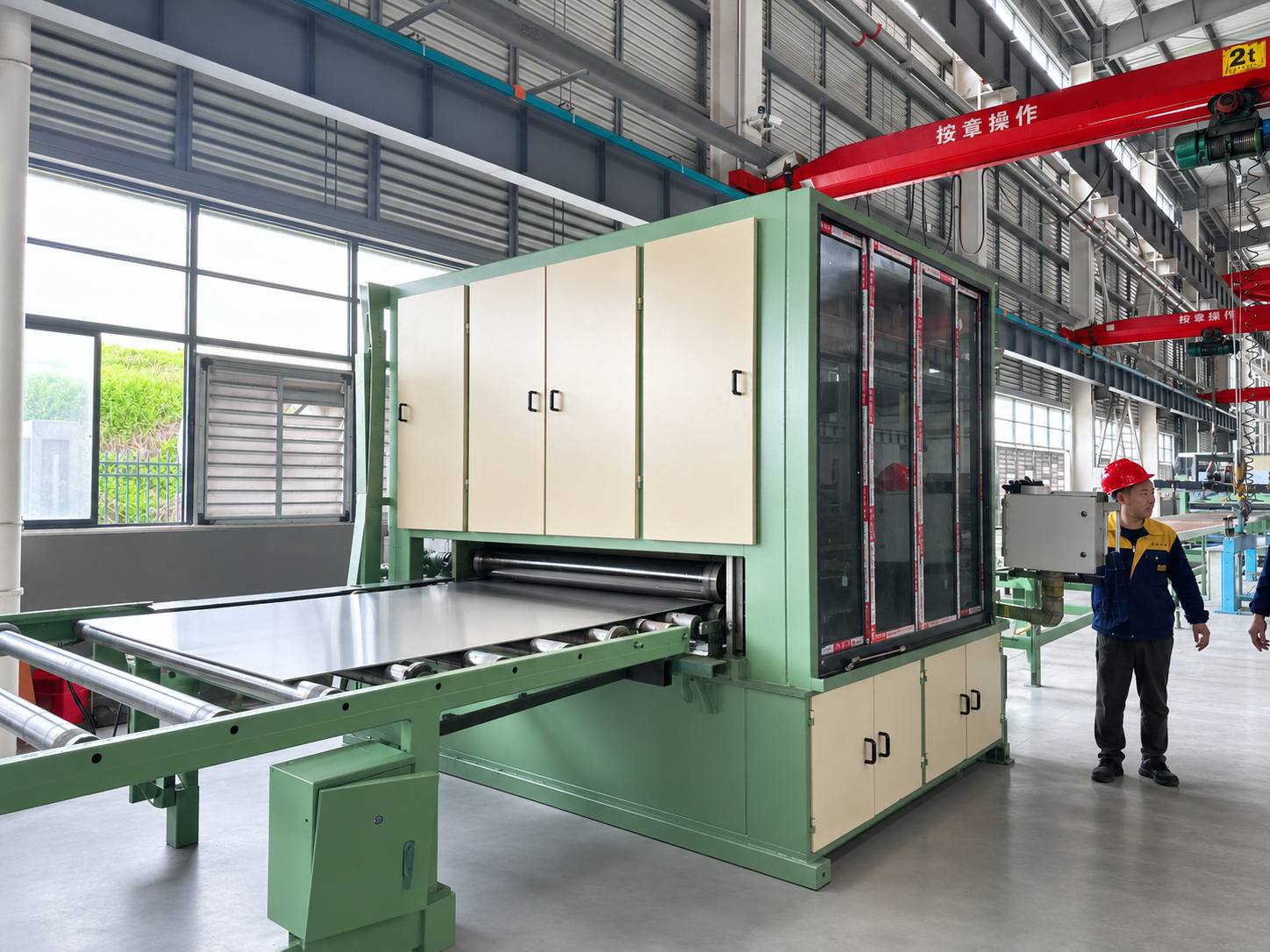
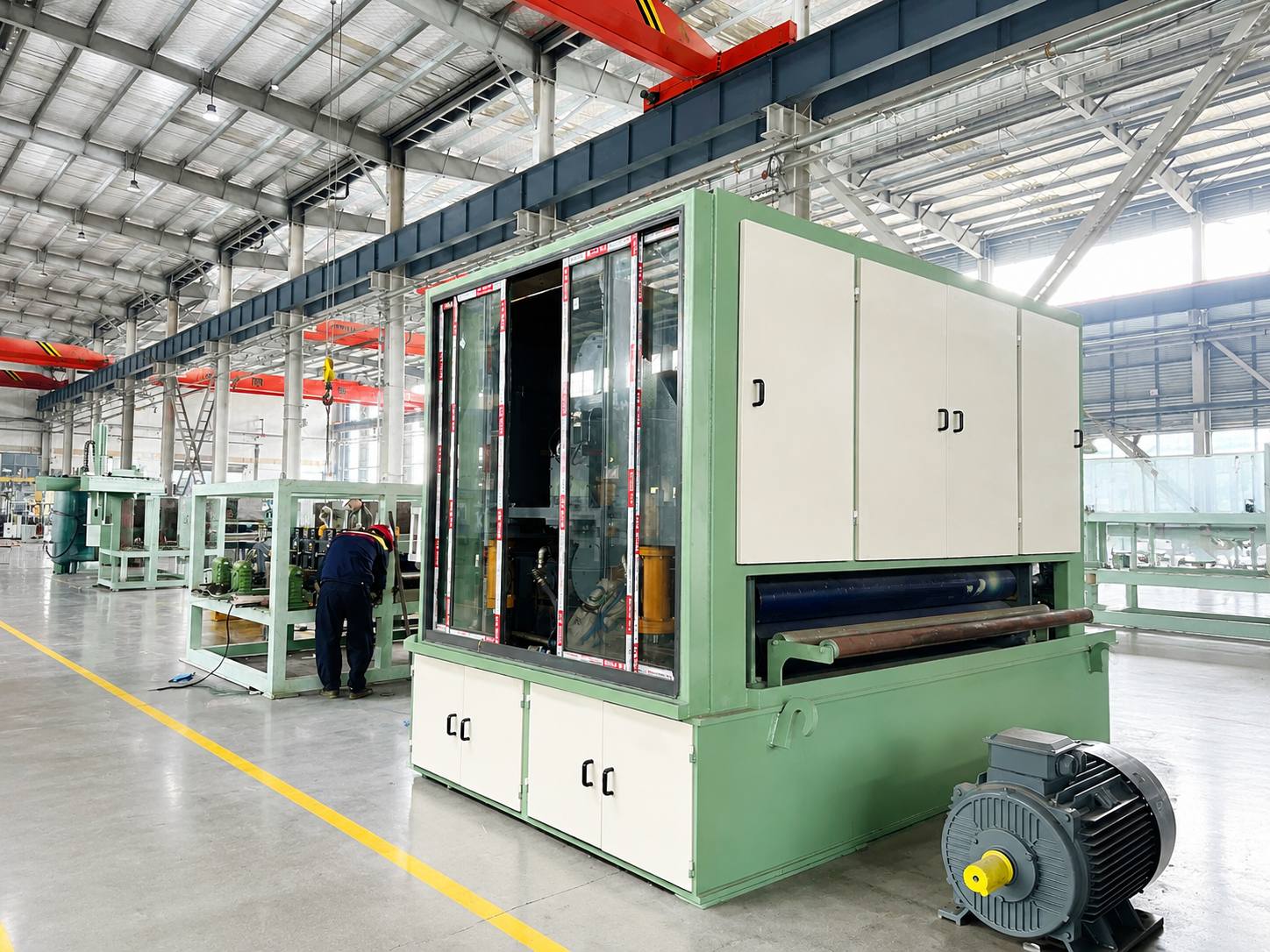
LEBON Roller HL Grinding Machine is designed for producing a long, straight and uniform Hairline / HL finish on stainless steel sheets, plates and coils. It uses roller brushing or abrasive roller grinding technology to create a fine linear surface texture, widely used for high-end decorative stainless steel applications.
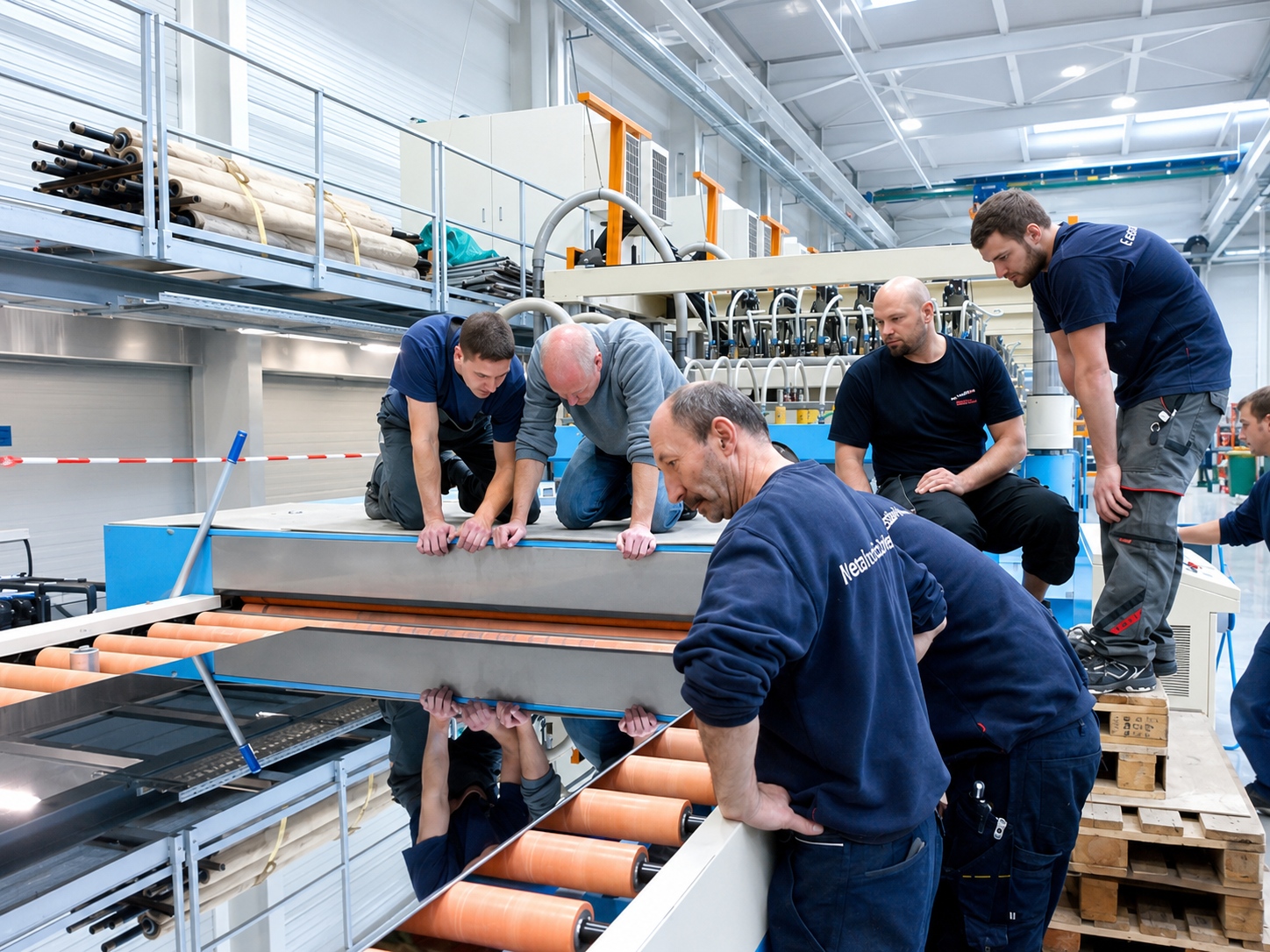
The LEBON Roller HL Grinding Machine is a professional stainless steel surface finishing machine used to create a continuous Hairline texture with stable grain direction and uniform surface quality. Compared with common belt grinding, the roller-type design can provide smooth contact, stable brushing pressure and consistent finishing effect across the full material width.
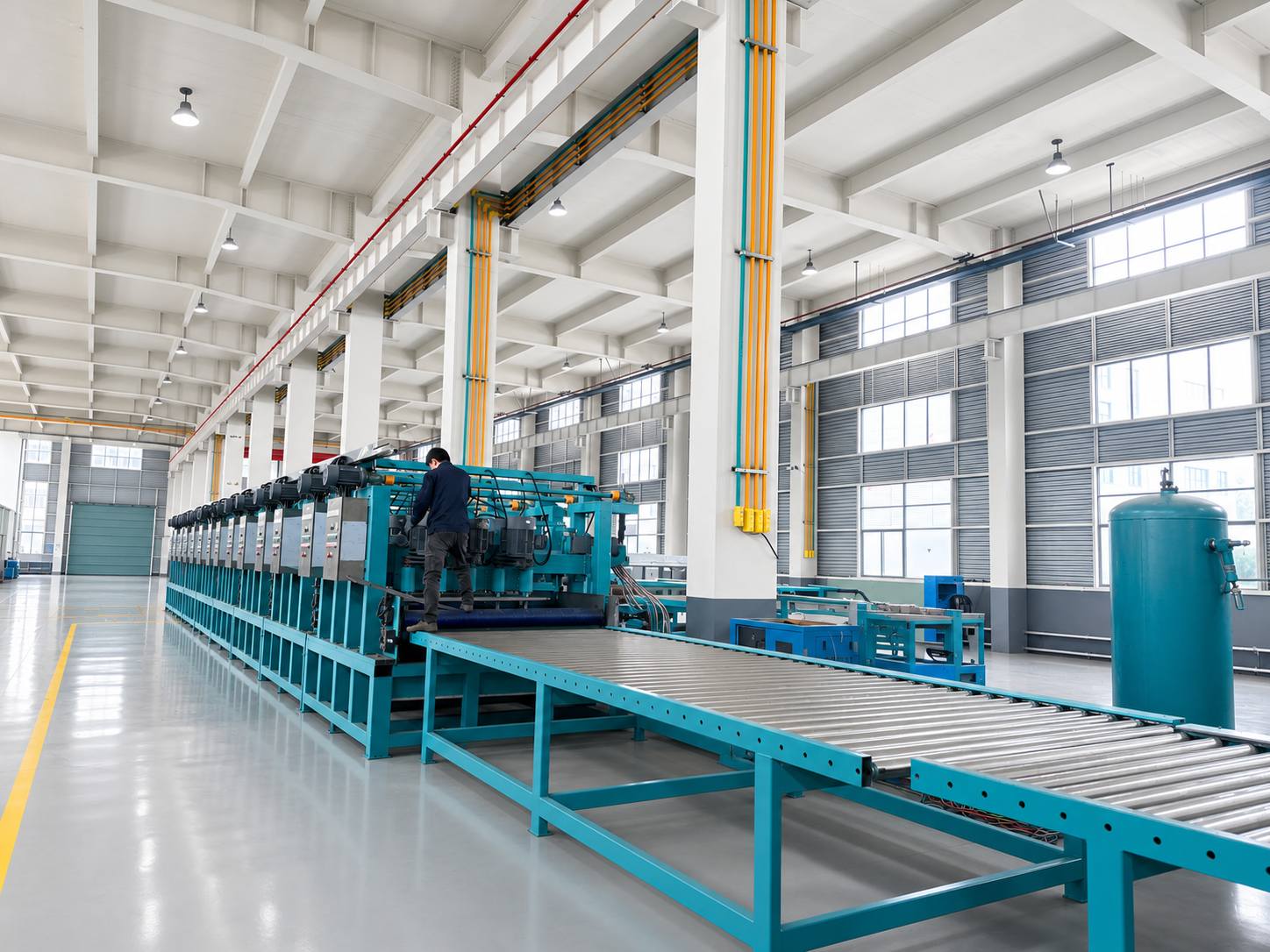
The machine can be configured for sheet-to-sheet or coil-to-coil production, with automatic feeding, roller grinding, cleaning, drying and optional protective film laminating systems. It is suitable for decorative stainless steel sheets, elevator panels, home appliance panels, kitchen equipment, architectural panels and interior decoration materials.
Produces long, straight and uniform HL / Hairline finish
Roller-type grinding system for stable surface contact
Suitable for stainless steel sheets, plates and coils
Stable grain direction across the full material length
Adjustable grinding pressure for different thicknesses
Variable feeding speed for flexible finish control
Wet or dry processing options available
Cleaning and drying system for clean finished surface
Optional protective film laminating system
PLC and inverter control for easy operation
Heavy-duty frame for stable long-term operation
Customizable working width, thickness range and line layout
The stainless steel sheet, plate or coil is fed into the machine through the conveyor system. Stable feeding keeps the material moving smoothly and helps maintain a straight Hairline direction.
The material surface is first lightly ground to remove minor scratches, oxide marks and surface defects. This step prepares the surface for a clean and uniform HL finish.
The roller grinding unit creates long, fine and continuous Hairline lines on the stainless steel surface. The roller pressure, feeding speed and abrasive specification can be adjusted according to the required surface effect.
For wet-type machines, grinding liquid or coolant is supplied to reduce heat and prevent burning marks. For dry-type machines, a dust collection system can be used to remove grinding dust and keep the workshop cleaner.
After HL grinding, the sheet surface is cleaned to remove grinding dust, oil, residue and metal particles.
The cleaned surface passes through the drying unit to remove moisture and prevent water marks.
If required, a protective film is applied to the finished Hairline surface to prevent scratches during handling, cutting, transportation and further processing.
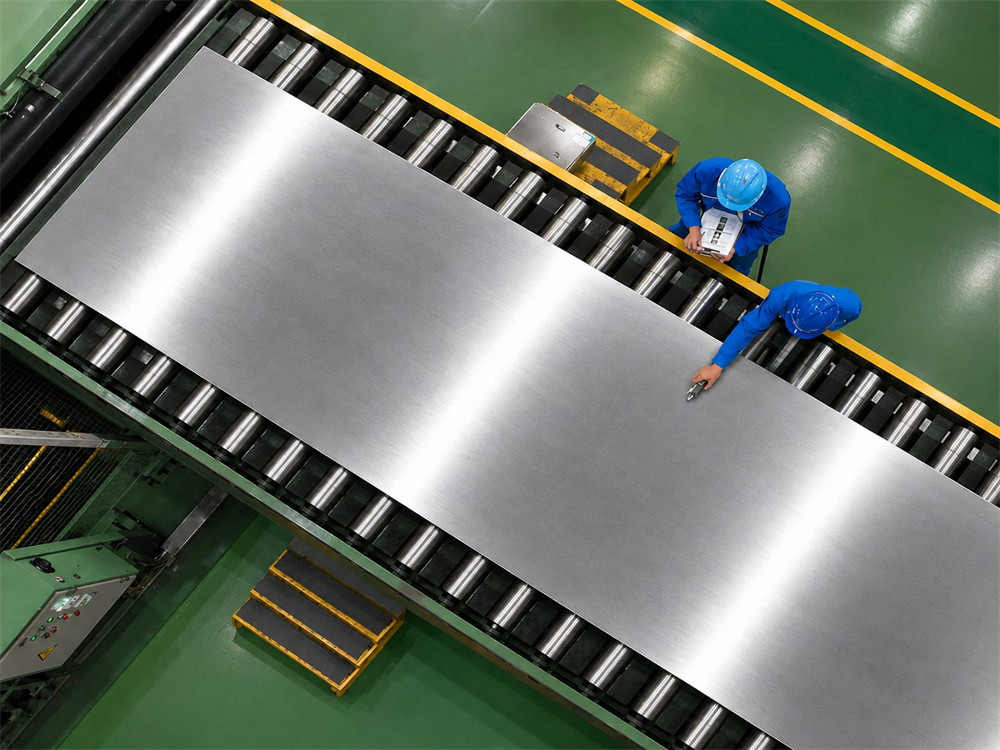
The finished stainless steel surface has a long, straight and uniform Hairline texture, suitable for elevator panels, decorative sheets, appliance panels and architectural metal products.
Stainless steel decorative sheets
Elevator panels and cabin interiors
Home appliance panels
Kitchen equipment panels
Architectural wall panels
Interior decoration materials
Stainless steel doors and frames
Hotel and commercial decoration panels
Furniture and display fixture panels
Appliance shell panels
Escalator side panels
High-end metal surface finishing
Pre-treatment before coating or laminating
Sheet-to-sheet or coil-to-coil stainless steel processing
Produces a continuous Hairline / HL linear finish with long, straight and directional grain texture.
Surface texture is controlled by abrasive roller type, abrasive grit, roller pressure, roller speed and feeding speed.
Typical HL finish uses fine abrasive materials, commonly around G240–G400, depending on the customer’s required line effect.
Compared with No.4 finish, HL finish has a longer, finer and more continuous grain direction.
Typical HL surface roughness can be controlled around Ra 0.2–0.6 μm, depending on material grade, abrasive selection and processing parameters.
Roller contact design helps maintain uniform pressure across the full working width, reducing uneven grain depth between the center and edges.
Stable conveyor feeding helps prevent wavy lines, diagonal grain, vibration marks and irregular brushing patterns.
Adjustable roller pressure helps avoid over-grinding, deep scratches, burning marks and excessive surface roughness.
Variable feeding speed allows operators to adjust the grain density and line appearance according to different decorative requirements.
Wet grinding option helps reduce surface temperature, improve smoothness and prevent heat discoloration or oxidation marks.
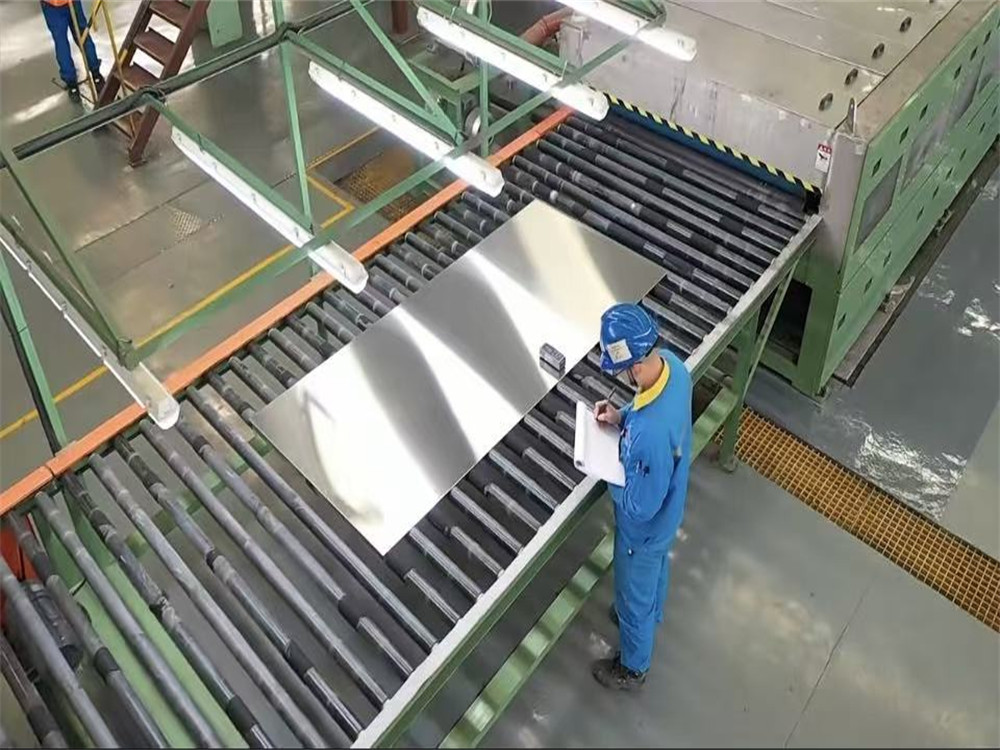
Finished surface should be free from deep scratches, roller marks, vibration marks, burning marks, patchy areas, oil stains and water marks.
Surface consistency should be checked across the full sheet width and full sheet length.
Finished HL sheets can be inspected by visual inspection, roughness testing, grain direction checking and customer sample comparison.
Optional protective film laminating helps prevent secondary scratches after finishing and keeps the HL surface clean during transportation and cutting.
Please, feel free to contact us if you need any further information.
Copyright © Lebon Metal Equipment Co., Ltd. All Rights Reserved.
Design by BONTOP.
 En
En