


Robot Polishing System
Industrial Mirror Polishing Buffing Machine
8K Mirror Polishing Machine for Stainless Steel | Eco-Friendly Acid-Free System
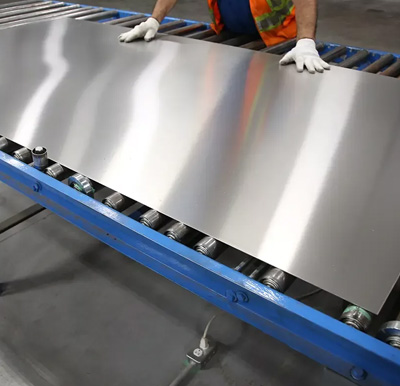
Aluminium Plate Coil Mirror Polishing Machine
6K Mirror Buffing Polishing Machine for Metal Surfaces
High-precision metal mirror polishing machine
Pneumatic-pressure 8K Mirror Polishing Machine
Belt-type 8K Mirror Stainless Steel Polishing Machine
High Gloss Mirror Buffing &Polishing Machine
No.8 8K Finishing Mirror Buffing Polishing Machine
Super 8K Mirror Polishing Machine
Industrial Metal Buffing Machine
Titanium Surface Mirror Buffing Machine
Coil To Coil No.4 Finished Grinding Line
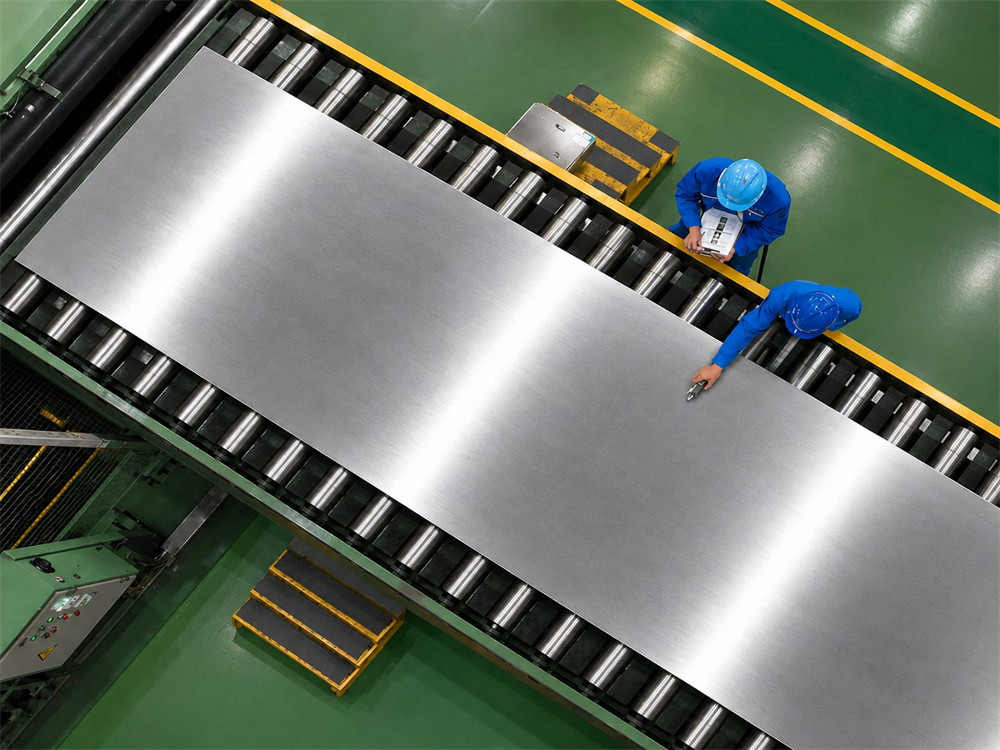
Sheet To Sheet NO.4 Finished Grinding Line
Metal Coil Grinding Machine
Metal Sheet Brushing Machine
Copper Polishing Grinding Machine
Titanium Surface Polishing Brushing Machine
Aluminum Plate Polishing Brushing Machine
Stainless No.4 Grinding Machine
Belt Brushing & Grinding Machine
Stainless HL Grinding Machine
Roller HL Grinding Machine
Belt HL Brushing Machine
Dry HL Finishing Machine
Wet HL Finishing Machine
Dry No.4 &HL Grinding Machine Line
Wet No.4 &HL Brushing Machine Line
Scotch-Brite finished Machine For Metal Surface
Scotch-Brite Finished Machine
Stainless Steel Scotch Brite Polishing Machine
Wet Scotch Brite Machine Line
Fully Automatic Scotch Brite(SB) Machine Line
SB Oscillator Machine
SB Grinding Machine
Scotch Brite with Oscillator
Dry Scotch Brite Machine
Four roller Scotch Brite Grinding Machine
Thick Board Stainless Steel Vibration Grinding Machine
Vibration Grinding
Stainless Steel Vibration Grinding Machine
AFP machine
Anti-Fingerprint Roller Coater machine
Anti-Fingerprint Pre-coated machine
Anti-Fingerprint Film Coating machine
Anti-Fingerprint Nano-Coating machine
Precision Sheet Cutting Line for Decorative Metal Processing
Leveling and Precision Cutting Line for Metal Sheet Processing
Automatic Coil Uncoiling
FAQ
By:Lebon
Jul 27,2026
Modern manufacturing is evolving rapidly.
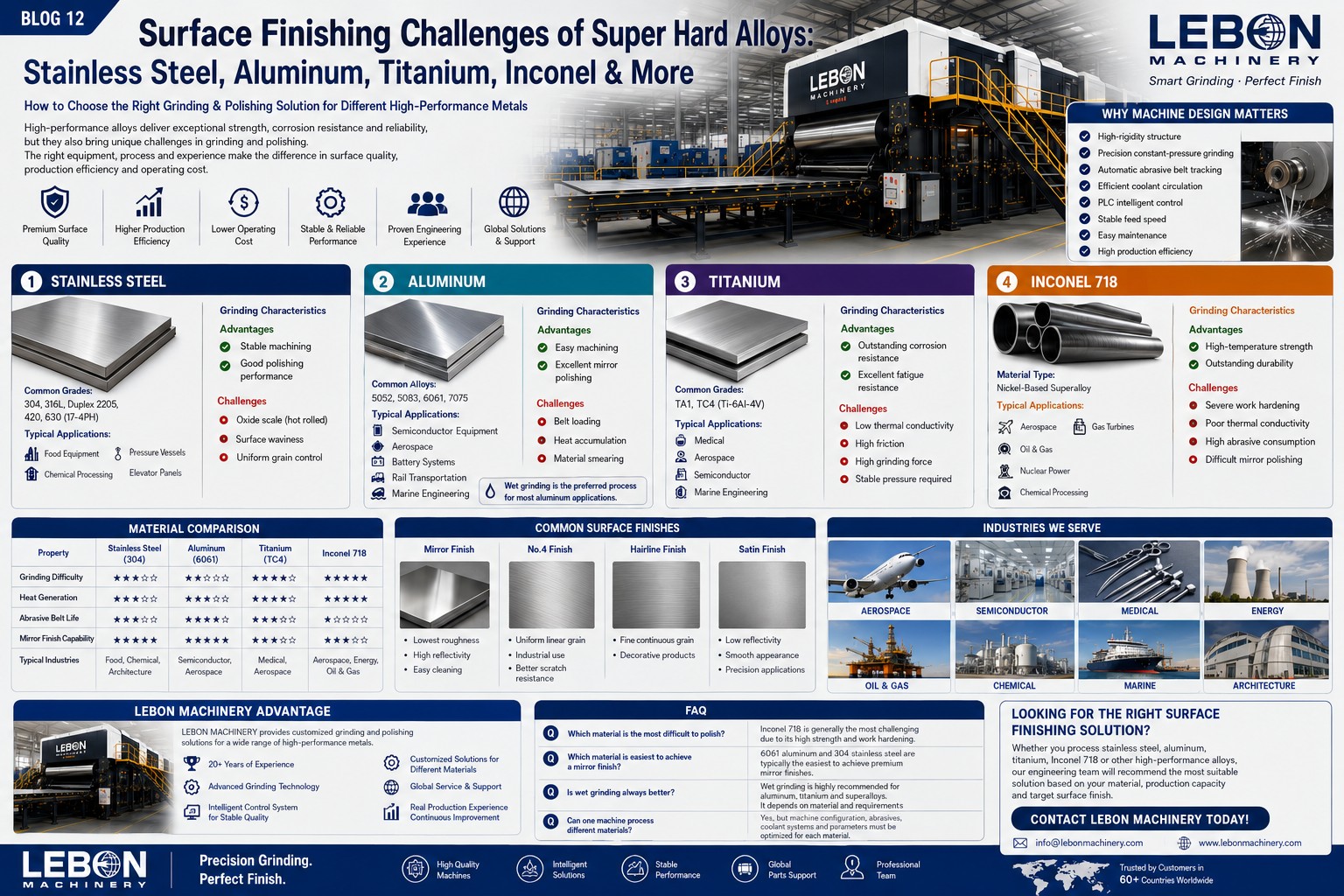
Industries such as aerospace, semiconductor, medical, chemical processing, marine engineering, energy storage, LNG, hydrogen, and precision manufacturing increasingly rely on advanced engineering materials with exceptional strength and corrosion resistance.
These materials improve product performance, but they also introduce new challenges in grinding and polishing.
Unlike conventional metals, high-performance alloys demand greater machine rigidity, more precise pressure control, advanced cooling systems, and carefully optimized polishing processes.
At LEBON MACHINERY, we specialize in surface finishing solutions for a wide range of engineering materials, helping manufacturers achieve premium surface quality while maintaining high production efficiency.
As material performance improves, machining difficulty also increases.
Common challenges include:
Higher hardness
Poor thermal conductivity
Greater grinding forces
Severe work hardening
Faster abrasive wear
Higher surface quality requirements
Without suitable equipment and process control, these characteristics often lead to inconsistent surface finishes, reduced productivity, and increased production costs.
Stainless steel remains the foundation of modern industrial manufacturing.
Typical grades include:
304
316L
Duplex 2205
420
630 (17-4PH)
Surface finishes commonly include:
No.4
Hairline
Satin
Mirror Finish
Typical applications:
Food equipment
Pharmaceutical equipment
Chemical processing
Pressure vessels
Architecture
Elevator panels
Advantages
✓ Stable machining
✓ Good polishing performance
Challenges
• Oxide scale (hot rolled)
• Surface waviness
• Uniform grain control
Aluminum has become one of the fastest-growing engineering materials.
Common alloys include:
5052
5083
6061
7075
Applications include:
Semiconductor equipment
Battery systems
Aerospace
Rail transportation
Marine engineering
Advantages
✓ Easy machining
✓ Excellent mirror polishing
Challenges
• Belt loading
• Heat accumulation
• Material smearing
For aluminum, wet grinding is generally the preferred process because it improves cooling, lubrication, and chip removal.
Typical grades:
TA1
TC4 (Ti-6Al-4V)
Applications:
Medical
Aerospace
Semiconductor
Marine Engineering
Advantages
✓ Outstanding corrosion resistance
✓ Excellent fatigue resistance
Challenges
• Low thermal conductivity
• High friction
• High grinding force
• Stable pressure required
Titanium requires precision grinding combined with efficient coolant circulation to maintain surface quality.
Inconel 718 is designed for extreme operating conditions.
Applications include:
Aerospace
Gas turbines
Nuclear power
Oil & Gas
Chemical processing
Advantages
✓ High-temperature strength
✓ Outstanding durability
Challenges
• Severe work hardening
• Poor thermal conductivity
• High abrasive consumption
• Difficult mirror polishing
Among all materials discussed in this guide, Inconel 718 generally requires the most advanced grinding technology.
Material | Grinding Difficulty | Heat Generation | Mirror Finish | Typical Industries |
Stainless Steel | Medium | Medium | Excellent | Food, Chemical, Architecture |
Aluminum | Easy | Medium | Excellent | Semiconductor, Aerospace |
Titanium | Difficult | High | Excellent | Medical, Aerospace |
Inconel 718 | Very Difficult | Very High | Excellent | Aerospace, Energy |
Different applications require different surface finishes.
Ideal for:
Semiconductor
Medical
Chemical
Food Processing
Benefits:
Lowest roughness
Easy cleaning
High reflectivity
Ideal for:
Industrial equipment
Architecture
Elevators
Kitchen equipment
Benefits:
Uniform grain
Excellent appearance
Better scratch resistance
Ideal for:
Decorative panels
Premium appliances
Architectural products
Ideal for:
Electronics
Medical equipment
Consumer products
Regardless of the material, premium surface quality depends on machine performance.
Professional grinding and polishing systems should provide:
High-rigidity structure
Precision constant-pressure grinding
Automatic abrasive belt tracking
Efficient coolant circulation
PLC intelligent control
Stable feed speed
Easy maintenance
High production efficiency
The more difficult the material, the more important these features become.
At LEBON MACHINERY, we believe surface finishing is not simply about polishing metal.
It is about understanding how different materials behave and designing equipment that delivers stable, repeatable, and efficient production.
Our solutions support:
Stainless Steel
Aluminum
Titanium
Nickel-Based Alloys
Inconel
Duplex Stainless Steel
Other High-Performance Metals
Mirror Finish
No.4 Finish
Hairline Finish
Satin Finish
Scotch-Brite Finish
Anti-Fingerprint (AFP)
Aerospace
Semiconductor
Medical
Food Processing
Chemical Processing
Marine Engineering
New Energy
LNG
Architecture
Backed by our own production facilities and years of practical manufacturing experience, we continuously optimize equipment based on real production conditions, helping customers achieve higher quality, greater productivity, and lower operating costs.
Among the materials discussed, Inconel 718 is generally the most challenging because of its high strength, work-hardening tendency, and poor thermal conductivity.
6061 aluminum and 304 stainless steel are typically among the easiest materials to produce high-quality mirror finishes with the correct polishing process.
Not always. Wet grinding is strongly recommended for aluminum, titanium, and superalloys because it improves cooling and chip removal. For stainless steel, the optimal process depends on the material grade, thickness, and required surface finish.
Yes. Modern grinding and polishing lines can be configured for multiple materials, but machine configuration, abrasives, coolant systems, and process parameters must be optimized for each application.
Selecting the right material is only the first step. Achieving a premium surface finish requires the right combination of material knowledge, grinding technology, machine design, and production experience.
From stainless steel and aluminum to titanium and Inconel 718, every material presents unique challenges—and every challenge demands a tailored solution.
At LEBON MACHINERY, we combine advanced engineering with real-world production experience to help manufacturers around the world achieve consistent, high-quality surface finishes across a wide range of materials and industries.
Whether your goal is a flawless mirror finish, a uniform No.4 texture, or a specialized surface for demanding industrial applications, we are committed to delivering solutions that improve quality, efficiency, and long-term competitiveness.
Whether you process stainless steel, aluminum, titanium, Inconel 718, or other high-performance alloys, the engineering team at LEBON MACHINERY can recommend the most suitable grinding and polishing solution based on your material, production requirements, and target surface finish.
Contact us today to discuss your next metal surface finishing project.
Please, feel free to contact us if you need any further information.
Copyright © Lebon Metal Equipment Co., Ltd. All Rights Reserved.
Design by BONTOP.
 En
En